A Trusted And Local Sevierville Social Security Disability Lawyer
If you have an injury or disabling illness that will prevent you from working for a year or longer, you may be eligible to receive Social Security Disability Insurance (SSDI) benefits. For many people who have paid into this important U.S. government system over the years, monthly SSDI checks make all the difference in being able to afford basic living expenses.
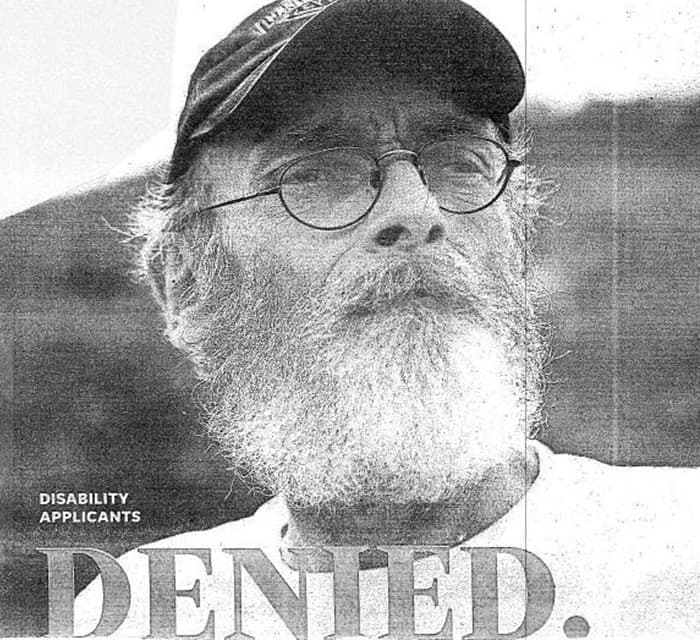
Unfortunately, the Social Security Administration (SSA) denies a high percentage of initial disability applications for reasons that those in dire need of benefits do not understand. Do not give up if this has happened to you. An experienced attorney can help. I am George R. Garrison, an attorney in Sevierville, Tennessee, with the knowledge and experience to help you appeal a denial of your valid SSD claim.
What Is The Definition Of Disability For A Social Security Claim?
According to the Social Security Administration, the definition of disability means you are not able to engage in any substantial gainful activity due to a medically determinable physical or mental disability. This disability must also be expected to result in death or has lasted or is expected to last for a period of at least 12 months continuously.
Substantial gainful activity is defined as significant physical or mental activities, generally performed or intended for pay or profit.
Common Qualifying Disability Conditions For Social Security Disability Insurance (SSDI)
By familiarizing yourself with the types of disabilities that are commonly approved by the Social Security Administration (SSA), you can understand the process better and prepare your SSDI claim with accurate information and supporting documentation. Here are four medical conditions with high approval rates:
Musculoskeletal Disorders
Musculoskeletal disorders that limit your mobility and cause you constant pain and stiffness such as arthritis, back injuries, severe joint dysfunction and degenerative disc disease are disability conditions that are often approved.
Respiratory Disorders
Respiratory conditions that severely limit your ability to perform basic physical activities because of your compromised breathing capacity are often approved. Two examples are asthma and chronic obstructive pulmonary disease.
Mental Health Disorders
Five common mood and anxiety disorders that can affect an individual’s ability to concentrate or function normally at work and in their day-to-day lives include clinical depression, panic disorder, bipolar disorder, severe anxiety disorders and schizophrenia spectrum disorders.
Neurological Conditions
Five common examples of progressive neurological conditions often approved by the SSA due to their severely limiting and disabling nature include epilepsy, cerebral palsy, Parkinson’s disease, Amyotrophic Lateral Sclerosis (ALS) and multiple sclerosis (MS).
Can I Still Receive SSD If I Have Also Received Other Government Benefits?
Many people wonder if other government programs or benefits, like workers’ compensation, will affect their SSD claim. The short answer is no. In some cases, people can even receive both workers’ compensation and Social Security Disability at the same time. In most cases the main factor is how much you receive, as the amount may be smaller if you are getting more than one form of compensation benefit.
Can My Family Receive Benefits From My Disability?
If you qualify for SSD benefits, some members of your family may also receive these benefits. Eligible children, including biological, adopted and stepchildren, can qualify for benefits, as well as grandchildren. Your spouse may also be eligible for these benefits.
Family members can be eligible for up to 50% of your monthly benefit amount. However, there can be limits to the amount paid to the family. An attorney can better evaluate and explain the circumstances applicable to your family.
The Five-Step SSDI Evaluation Process
The SSA follows a structured process when evaluating applicants and their disability conditions. Each of the five questions can be answered by yes or no.
- Are you currently working or earning above the substantial gainful activity limit?
- Is your medical condition severe and does it meet the duration requirement?
- Does your condition meet or equal one of our listed conditions in the “blue book”?
- Despite your impairments, can you still do the kind of work you did in the past?
- Can you perform any other type of work in the national economy?
The decision-making can stop at any step of the sequential evaluation process. Because of this, it is important to seek prompt guidance and valuable counsel from a knowledgeable disability lawyer who can help you gather strong evidence and prepare you for the entire application process.
Appealing SSD Denials
I know how intimidating the legal process for obtaining disability benefits is for most people. Examiners look for specific medical terminology. It is necessary to establish that you are incapable of performing work due to a “qualifying impairment” that meets the definition of disability. Although applicants over the age of 50 are more likely to be approved, any number of problems can lead to rejection. Then:
- It is critical to file for reconsideration within 60 days of your denial notice.
- I will assess your disability claim, the reasons for the denial and any additional evidence that will be required to appeal this decision. If I do not believe you qualify for benefits, I will tell you.
- If the reconsideration phase does not result in approval, it will be necessary to prepare for a disability hearing before an administrative law judge and possibly the next level of appeal.
If your SSD denial appeal reaches a hearing level, it will likely be assigned to the Office of Hearing Operations (OHO) in Knoxville. With over 30 years of legal experience, I will provide the assertive and aggressive guidance that you need.
The Main Distinction Between SSDI And SSI
The main difference between the two federal disability programs is that SSDI is based on an applicant’s work history and disability, while SSI is specifically available for low-income individuals and families who live with limited resources or seniors aged 65 and up, regardless of their work histories.
As of April 2026, approved applicants of SSI benefits receive an average payment of $738.22 while approved applicants of SSDI benefits receive a higher, average payment of $1,493.20.
Reach Out To My Social Security Disability Law Firm Today For A Free Consultation
As an experienced disability lawyer, I have helped many people in Sevierville, Cocke, Jefferson and other East Tennessee communities successfully navigate the SSD appeal process. I am George R. Garrison in Sevierville. Having the right lawyer on your side can dramatically increase your chances of success, and you will not pay anything upfront. I provide free face-to-face initial consultations. Please contact me online or call my office at 865-280-0680.